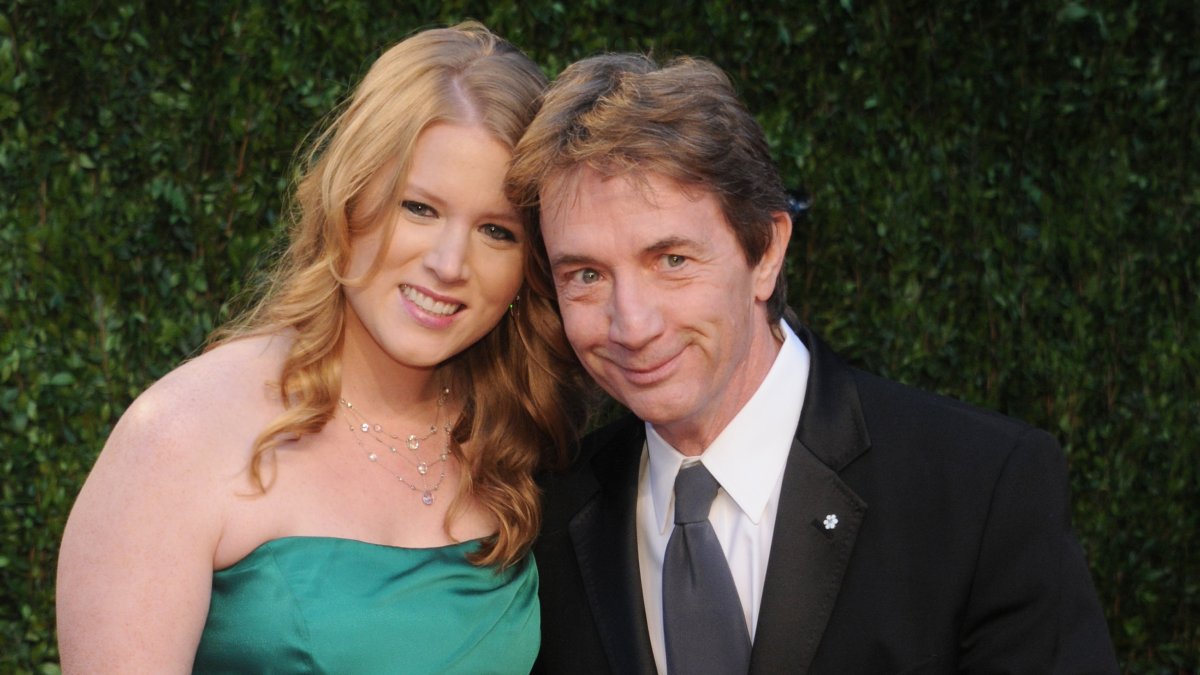
A Heartbreaking Loss: Martin Short's Daughter, Katherine, Dies Tragically at 42
The world of entertainment and beyond is mourning the profound loss of Katherine Hartley Short, the eldest daughter of beloved comedian and actor Martin Short. At the age of 42, Katherine, a dedicated and respected licensed clinical social worker, passed away, leaving her family and community in deep grief. The news, confirmed by Martin Short's representative, has sent shockwaves, reminding us of the fragility of life and the silent battles many face. This tragic event casts a somber shadow, especially given Katherine's chosen profession specializing in mental health and suicidality. The Short family has requested privacy during this incredibly difficult time, as they grapple with an unimaginable loss.
Remembering Katherine Hartley Short: A Life Dedicated to Healing
Katherine Hartley Short was much more than just Martin Short's daughter; she was a compassionate professional who dedicated her life to helping others navigate their most challenging moments. Born and raised in a family that also includes her younger brothers, Oliver Patrick and Henry Hayter (all three adopted by Martin Short and his late wife Nancy Dolman), Katherine forged her own path in the field of mental health.
A Journey in Social Work and Mental Health Advocacy
Her academic journey laid a strong foundation for her impactful career. Katherine graduated from New York University in 2006, earning a bachelor's degree in psychology and gender sexuality studies. Her passion for understanding the human mind and advocating for vulnerable populations led her to pursue further education at the University of Southern California (USC) School of Social Work, where she obtained her master's degree in 2010.
Following her graduation, Katherine became a licensed clinical social worker, operating a private practice in Los Angeles. Her expertise was broad and deeply specialized, covering critical areas such as:
- Adoption-related issues
- Anxiety and depression
- Personality disorders
- Grief and loss counseling
- Suicidality prevention and support
- Relationship difficulties
Her commitment extended beyond private practice. While pursuing her Master of Social Work, Hartley Short gained invaluable experience by leading group and individual therapy sessions for veterans grappling with complex mental health conditions like schizophrenia and bipolar disorder. She further honed her skills during a significant four-year tenure at UCLA's renowned Resnick Neuropsychiatric Hospital. Additionally, she worked part-time at Amae Health, contributing to community outreach, family support groups, and peer support initiatives.
It is with a heavy heart that we acknowledge the deeply poignant irony of her passing. As someone who specialized in offering support and therapy to individuals experiencing suicidal thoughts, Katherine's own struggle highlights the pervasive and often hidden nature of mental health challenges, even for those who dedicate their lives to helping others overcome them. Her life's work underscored the critical need for empathy, understanding, and accessible mental health resources for everyone, regardless of their background or profession. For more details on her professional journey, you can read Remembering Katherine Hartley Short: Martin Short's Social Worker Daughter.
The Tragic Details: Katherine Short's Passing
The circumstances surrounding Katherine's death are heartbreaking. On Monday, February 23, the Los Angeles Fire Department responded to a call at a Hollywood Hills address associated with Hartley Short around 6:41 p.m. The Los Angeles County Medical Examiner's office subsequently confirmed that Katherine's manner of death was determined to be suicide. The case remains open as investigations continue. Police officers also responded to the scene following a radio call of a possible suicide attempt, where a deceased female was found.
This devastating news underscores the urgent need to address mental health crises and the profound impact they have on individuals and families. The Short family's statement, confirming her passing with "profound grief," reflects the immense sorrow they are experiencing. "Katherine was beloved by all and will be remembered for the light and joy she brought into the world," the statement read, painting a picture of a vibrant soul now sorely missed.
The loss of a child is an unimaginable pain, and for Martin Short, this tragedy comes after another significant loss in his life. His beloved wife, Nancy Dolman Short, Katherine's mother, passed away in August 2010 after a battle with ovarian cancer. To lose both his wife and his eldest daughter to such profound circumstances presents an immense challenge for the family.
For more specific details on the circumstances of her passing, you may refer to Martin Short's Daughter Katherine Dies by Suicide at 42.
Understanding Mental Health and Preventing Suicide: A Call to Action
Katherine Hartley Short's tragic passing brings to the forefront the critical importance of mental health awareness and suicide prevention. Her professional life was dedicated to destigmatizing mental illness and providing support, making her own struggle a powerful, albeit heartbreaking, reminder that mental health challenges can affect anyone, regardless of their background, profession, or apparent strength.
Recognizing the Signs and Offering Support
Suicide is a complex issue, often stemming from a confluence of factors, including depression, anxiety, trauma, and other mental health conditions. It's crucial for communities to be vigilant and informed about the warning signs. These can include:
- Talking about wanting to die or self-harm: Any direct or indirect mention should be taken seriously.
- Increased isolation: Withdrawing from friends, family, and social activities.
- Changes in mood or behavior: Extreme mood swings, increased irritability, anger, or sadness.
- Loss of interest: No longer enjoying activities that were once pleasurable.
- Changes in sleep patterns: Sleeping too much or too little.
- Feelings of hopelessness or being a burden: Expressing a lack of purpose or feeling like others would be better off without them.
- Giving away possessions: Making arrangements or saying goodbye.
If you or someone you know exhibits these signs, it's vital to act with compassion and urgency. Here are practical steps you can take:
- Listen without judgment: Create a safe space for them to talk.
- Express concern: Let them know you care and are there for them.
- Ask directly: If you suspect someone is suicidal, ask them directly, "Are you thinking about suicide?" This won't put the idea in their head but can open up a crucial conversation.
- Seek professional help immediately: Encourage them to contact a mental health professional, or offer to help them find one. In a crisis, call emergency services or a suicide prevention hotline.
- Remove means: If possible and safe to do so, remove access to firearms, medications, or other potential means of self-harm.
- Stay with them: Do not leave someone who is in immediate danger alone.
Available Resources
There are numerous resources available for those struggling with mental health or suicidal thoughts, and for those supporting them:
- National Suicide Prevention Lifeline: Call or text 988 in the U.S. and Canada. In the UK, you can call 111.
- Crisis Text Line: Text HOME to 741741 to connect with a crisis counselor.
- The Trevor Project: For LGBTQ youth, call 1-866-488-7386 or text START to 678-678.
- Mental Health America (MHA): Offers resources and screening tools.
- Local Mental Health Services: Check with your doctor or local health authority for services in your area.
The tragedy of Martin Short's daughter Katherine's death serves as a poignant reminder that mental health is as important as physical health. It encourages us to foster environments of openness, support, and professional care, ensuring that no one feels they have to face their struggles alone.
Conclusion
The passing of Katherine Hartley Short is a profound loss, not only for the Short family but for everyone who recognizes the importance of mental health advocacy. As we extend our deepest sympathies to Martin Short, his sons, and their entire family during this period of immense sorrow, we also reflect on Katherine's impactful life as a therapist. Her dedication to helping others shines brightly, even in the shadow of this tragedy. Her memory serves as a stark reminder of the silent battles many endure and the critical need for continued dialogue, support, and resources for mental health and suicide prevention. May her legacy inspire us all to approach mental health with greater empathy, understanding, and proactive care, ensuring that those in need find the help and hope they deserve.